
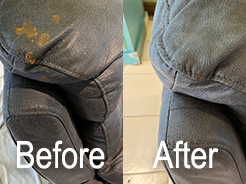
Paint stains on fabric furniture can be a homeowner’s nightmare, but professional cleaners have proven techniques for tackling even the most stubborn marks. Their approach varies depending on whether the paint is water-based (such as emulsion or acrylic) or oil-based (such as gloss or enamel). Below is an insight into the professional process for removing paint stains from upholstery.
 1. Assessing the Stain and Fabric Type
The first step professionals take is to identify both the type of paint and the fabric involved. This is crucial because certain cleaning agents or methods could damage delicate textiles. Professionals check manufacturer labels for cleaning instructions and test any cleaning solution on an inconspicuous area to ensure it does not cause fading or deterioration.
2. Removing Excess Paint
If the paint is still wet, professionals gently blot (never rub) the area with a clean, dry cloth or paper towel to absorb as much paint as possible. For dried paint, they may carefully scrape off excess using a blunt knife or spoon, taking care not to fray or tear the fabric fibres.
3. Treating Water-Based Paint Stains
For water-based paints, professionals typically use a mixture of mild detergent and warm water. They dampen a cloth with the solution and blot the stain, working from the outside in to prevent spreading. The process is repeated, frequently switching to a clean section of the cloth, until the paint lifts. For persistent stains, a small amount of white vinegar may be added to the solution.
 4. Treating Oil-Based Paint Stains
Oil-based paints require a different approach. Professionals often use specialised solvents, such as turpentine or white spirit, but only after verifying it is safe for the fabric. They apply the solvent sparingly to a cloth, then dab the stain, again working from the edges inwards. After the paint softens, the area is blotted with a clean, dry cloth, and the process is repeated as needed.
5. Rinsing and Drying
After the stain is removed, professionals rinse the area with clean water to remove any residue from cleaning agents. They blot up excess moisture with a dry towel and, if possible, use fans or open windows to speed up drying, preventing water marks or mildew growth.
6. Final Inspection
A final inspection ensures the stain is fully removed and the fabric is undamaged. If any discolouration remains, professionals may recommend a specialist upholstery cleaning service for restoration.
By using the correct methods and products, professionals can effectively remove paint stains from fabric furniture, restoring it to its original condition and prolonging its lifespan.
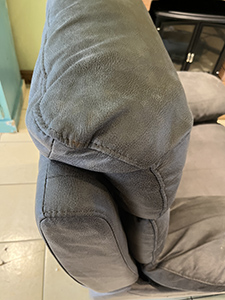
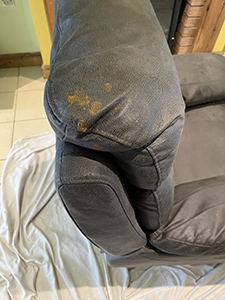
This is a chair we were cleaning in Kirkham that has had some paint spilled on it. Our client thought it was a permanent fixture, but with our knowledge and expertise, we completely removed it. Are you looking for help cleaning upholstery? Get in touch by calling 0800 6953455.

I am a time-served carpet cleaner, stone floor restoration specialist, leather restorer and upholstery cleaner serving Lancashire. I pride myself on using only the best products and state of the art machinery to provide exceptional finishes without exception.




Leave A Comment