
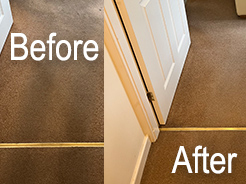
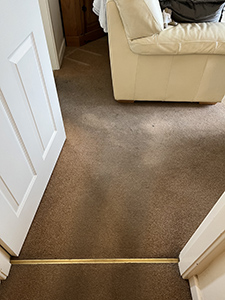
 Carpet walkways, such as hallways, stairs, entrances and the routes between busy rooms, often look dirty long before the rest of the carpet. This is not simply because people notice them more. These areas experience repeated foot traffic, which brings in soil, compresses fibres and makes marks easier to see.
Constant Foot Traffic Pushes Dirt Deeper
Every step carries dust, grit, pollen, moisture and tiny outdoor particles into the carpet pile. In low-use areas, much of this dirt stays near the surface and is easier to vacuum away. On walkways, however, footsteps press the soil down between the fibres. Over time, this creates a darker path that regular vacuuming may struggle to lift fully.
Grit Acts Like Sandpaper
One reason carpet walkways become dull so quickly is abrasion. Small particles of grit rub against the fibres whenever someone walks across them. This can make fibres look worn, flattened or faded. Even when the area has been cleaned, damaged fibres may still reflect light differently, so the walkway can appear dirtier than the surrounding carpet.
 Oils and Residue Make Soil Stick
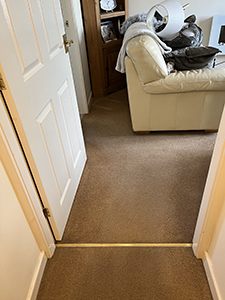
Shoes, socks, bare feet and pets can leave behind natural oils and residues. These sticky deposits attract dust and fine soil, which cling to the carpet more easily. If a carpet has previously been cleaned with too much detergent or not rinsed thoroughly, leftover residue can also speed up re-soiling, especially in high-traffic routes.
Flattened Fibres Show Dirt More Clearly
Carpet pile is designed to stand upright and bounce back, but constant pressure can flatten it. Once fibres are crushed, they catch light differently and create visible traffic lanes. This is why a walkway may still look shaded after cleaning: the issue can be a mixture of dirt, wear and changed texture.
How to Keep Walkways Cleaner for Longer
Place sturdy mats at entrances, remove outdoor shoes where possible and vacuum walkways more often than quieter areas. Treat spills quickly by blotting rather than scrubbing, and schedule periodic professional cleaning to remove embedded soil and residue. Rotating furniture or using runners can also help spread foot traffic more evenly.
Carpet Walkways – Our Conclusion
Carpet walkways get dirtier quicker because they face more soil, pressure, friction and residue than the rest of the room. With consistent maintenance and a few protective habits, you can slow the build-up and keep high-traffic areas looking fresher for longer. We are trusted carpet cleaners covering Lancashire. Call today to request a quote on 01253 857975.

I am a time-served carpet cleaner, stone floor restoration specialist, leather restorer and upholstery cleaner serving Lancashire. I pride myself on using only the best products and state of the art machinery to provide exceptional finishes without exception.
Leave A Comment